Photographie Dre Erwin ™
Photographie thérapeutique des aurores boréales


La santé mentale à travers l'objectif : guérir par la photographie
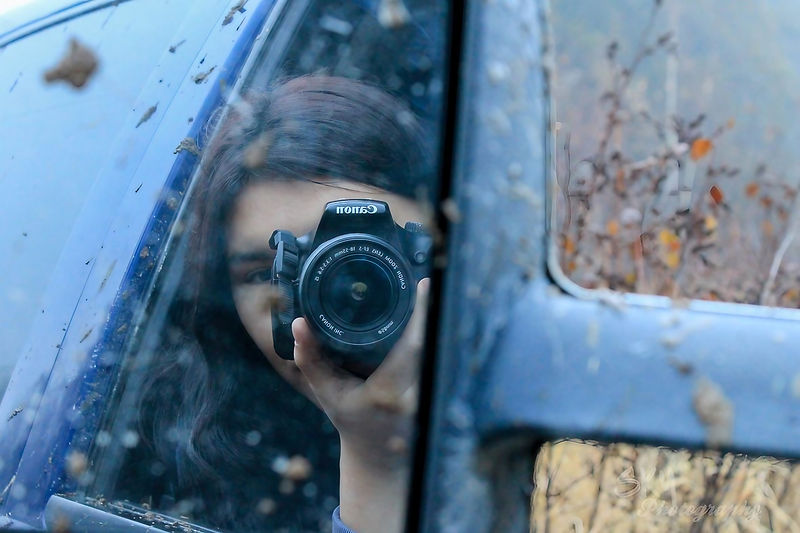
Bienvenue sur notre page Santé mentale, où nous explorons le pouvoir transformateur de la photographie thérapeutique pour favoriser le bien-être émotionnel et la guérison. À travers l'objectif de notre appareil photo, nous nous penchons sur le rôle essentiel que joue la photographie pour relever les défis uniques auxquels sont confrontés les jeunes des communautés nordiques et rurales.

Since 2016, the Pinehouse Photography Club has demonstrated that when youth are given a lens, they don't just see the world differently—they see themselves differently. Our results in youth engagement and mental health advocacy have been recognized at a national level.
The Science Pillars

1
Externalizing the Narrative
Research shows that by "objectifying" emotions through a lens, we can hold them at arm's length. This "externalization" allows participants to explore difficult feelings like anger or fear without being consumed by them.
2
The Bio-Psycho-Social Impact
Our method addresses the whole person. By engaging the senses and focusing the mind, we interrupt racing thoughts and promote neural pathway development. This creates a "Helper’s High" that strengthens both the individual and their community.
3
From Identity to Empowerment
Identity is fluid. For youth facing significant change, photography provides a way to assert a new identity—as a creator and a storyteller—shifting the focus from their struggles to their strengths.
%20Socio-Ecological%20Model%20of%20therapeutic%20photography%20for%20community%20resilie.png)
Our method follows the nested framework of the Socio-Ecological Model. Therapeutic photography doesn’t just improve the mindset of the Individual (Visual Anchor); it ripples outward. Club members share photos that create non-verbal Interpersonal support, while community-wide displays and partnerships with leaders and Elders strengthen Community connection and Cultural resilience. We aren't just taking photos; we are healing an ecosystem

The Neuroscience of the Lens
Neural Pathway Sculpting:
Using the camera during the "critical neuroplasticity" phase of youth helps strengthen the prefrontal cortex, improving emotional regulation.
Neurochemical Balance:
Mindful photography helps transition the brain from a "survival state" (high cortisol/static) to a "focused state" (dopamine/serotonin), often called the "Helper's High."
Memory Reconsolidation:
Replacing negative "mental imagery" with positive "visual anchors" helps the brain reinterpret lived experiences through a lens of resilience.

The Pinehouse Protocol (2016–2020)
Lead Practitioner: Dre Erwin, RN-AAP
Location: Pinehouse
Program Type: Community-based therapeutic photography initiative
Engagement: Approximately 200–300 youth daily (ages 6–13)
Overview of Findings
Within a rural and remote northern context, a community-based therapeutic photography program was implemented as a structured, strength-based engagement model for youth mental health and wellbeing.
Routine self-reported mood measures (0–5 scale) indicated:
-
Pre-session average mood: ~2.2
-
Post-session average mood: ~4.8
These shifts were consistently observed throughout the program period and reflected immediate improvements in self-reported emotional wellbeing following participation.
Early Identification and Support Pathway
In addition to mood changes, the program functioned as an informal early identification pathway. Within a non-clinical, land-based environment, youth were more likely to express emotional or psychosocial concerns indirectly through creative activity.
When appropriate, concerns were supported through connection with local mental health resources, including social work and clinical care providers, forming a “warm hand-off” approach between community engagement and formal services.
Interpretation
The program suggests that structured creative engagement may support emotional expression, increase perceived wellbeing, and enhance early identification of youth experiencing distress in remote communities.
Rather than functioning as a formal clinical intervention, this model reflects practice-based evidence from a community program operating in real-world conditions.
Full program evaluation available here:
The Pinehouse Protocol – Complete Report (2016–2020)
Evidence-Based Foundations & Clinical Framework
The Resilience Framework
-
Gibson, N. (2018). Therapeutic Photography: Enhancing Self-Esteem, Self-Efficacy and Resilience. (The core foundation of our photography-based interventions).
Neurobiology & Trauma Recovery
-
Van der Kolk, B. (2014). The Body Keeps the Score. (Explaining how visual anchors help the body move past stored trauma).
-
Luna, B. (2022). Critical Period Plasticity in the Adolescent Prefrontal Cortex. (The science behind using creative focus to shape the developing teenage brain).
-
MDPI (2026). Neuroscience-Informed Creative Group Therapy for Trauma Processing. (The latest clinical research on group-based creative healing).
Social & Environmental Impact
-
Bronfenbrenner, U. (1992). Ecological Systems Theory. (The foundation of our Socio-Ecological approach to community healing).
-
Halkola, U. (2013). A Photograph as a Therapeutic Experience. (The psychology of using photos to externalize and process complex emotions).
About the Reviewer:
This page was written and reviewed by Dre Erwin, RN AAP. Dre is a primary care nurse, veteran, and nationally recognized advocate for youth mental health in Saskatchewan.