

Advanced Authorized Practice: The Solution to Saskatchewan’s Healthcare Crisis

In the ongoing conversation about Saskatchewan’s healthcare crisis, we often hear about the need for more doctors and more beds. But there is a massive, untapped solution already standing in our hospitals: the Registered Nurse with Additional Authorized Practice (RN-AAP).
Despite their high level of training, the AAP designation remains one of the least understood roles in the province—rarely spotlighted by the College or the Union, yet perfectly positioned to bridge the gap in our system.
What is an AAP Nurse?
An Additional Authorized Practice (AAP) designation allows a Registered Nurse to go far beyond the traditional scope. These are highly experienced RNs who have undergone specialized post-graduate training to perform tasks typically reserved for physicians or Nurse Practitioners.
In Saskatchewan, an RN-AAP is legally authorized to practice anywhere in the province to:
Diagnose and treat common medical disorders.
Prescribe specific medications.
Order and interpret diagnostic tests (like x-rays and lab work).
Perform minor surgical procedures.
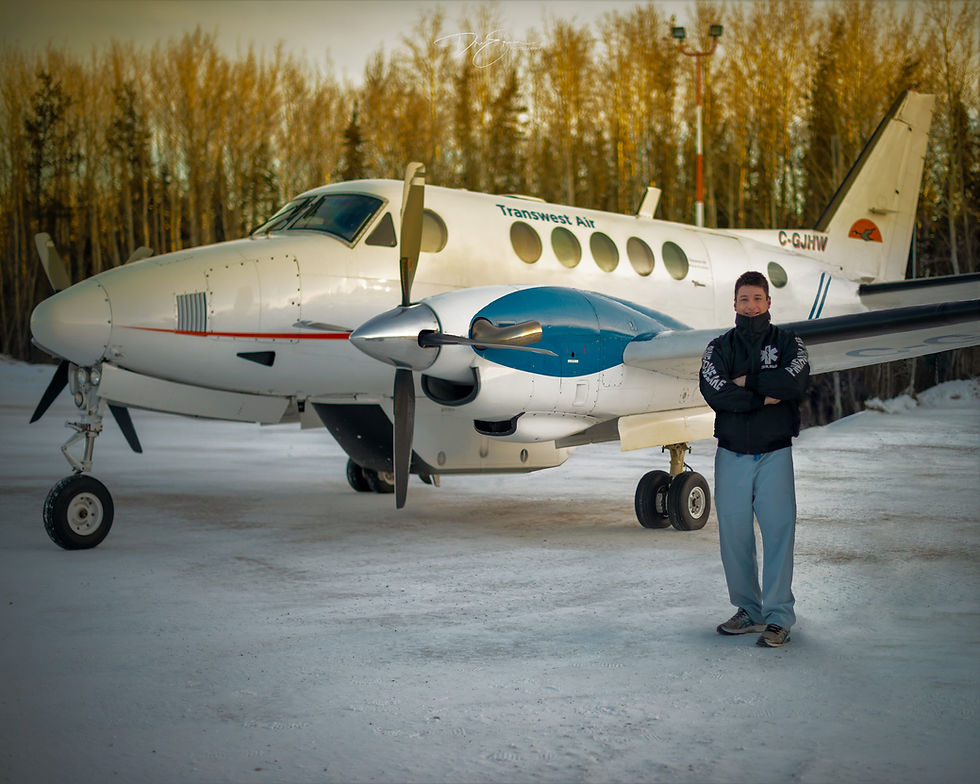
Critically, their license allows them to practice in any setting. While many associate AAPs with remote northern outposts, their scope follows their license—making them a versatile force ready for urban Urgent Care and rural clinics alike.
Have you heard of the RN-AAP designation before?
0%Yes
0%No
The Silent Treatment: College and Union
If this role is so effective, why isn't it a household name? There is a noticeable lack of noise coming from the College of Registered Nurses of Saskatchewan (CRNS) and the Saskatchewan Union of Nurses (SUN) regarding the expansion of AAP roles.
While the focus remains on traditional staffing or recruiting from abroad, the potential of the existing workforce is being sidelined. By not aggressively promoting the AAP designation, the province is leaving a potent tool in the shed while the "house" is on fire.

Case Study: AAP Nursing in Action
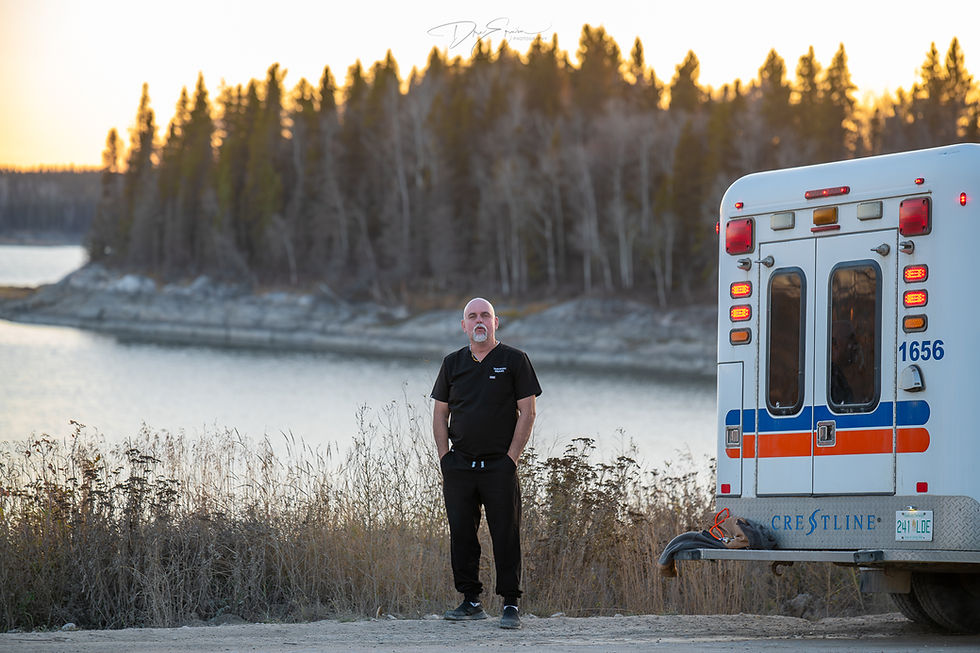
For a real-world example of how this role transforms care, look at the story of Todd Brown, a Nurse-in-Charge in Sandy Bay. As an RN-AAP, Todd manages everything from trauma stabilization to suturing and diagnosing, often in areas where physician resources are limited. His work demonstrates that when nurses are given the authority to practice to their full scope, patient outcomes in remote and urban settings improve significantly.
Read the full story on the SHA website: Outpost Nursing in Northern Saskatchewan: The Story of Todd Brown, RN-AAP
The 6-Month Bridge to Urgent Care
We see "Urgent Care" models popping up in cities like Regina to offload pressure from emergency rooms. This is exactly where the RN-AAP shines. They act as the perfect bridge—capable of handling the vast majority of "urgent but non-emergent" cases.
The Math: We have over 10,000 Registered Nurses in Saskatchewan. Many have decades of critical care and primary care experience. They don't need four more years of school; they need the bridge.
Speed: The AAP license can be obtained in less than 6 months.
Accessibility: Training is primarily online, allowing nurses to level up while they work.
Scalability: If even 10% of our RNs leveled up, we would have 1,000 new providers capable of prescribing and diagnosing within half a year.
The "Northern Drain" Myth
A common fear is that hiring RN-AAPs in large cities will "take away" nurses from the North. The reality is the exact opposite. Expanding AAP roles in cities builds a more resilient, highly-skilled pipeline for the entire province. The more RNs who hold an AAP license, the more nurses we have ready and legally able to step into northern roles for travel nursing, cultural immersion, or permanent moves. Urban urgent care allows AAPs to sharpen diagnostic skills, giving them the confidence to head North for the autonomy and unique experiences found there.
How to Get Your AAP: The Roadmap
If you are an RN ready to practice to your full potential, here is your roadmap:
Meet the Requirements: Ensure you have an active license and the required 3,600 hours of RN experience.
Complete the Education: Enroll in the NURS 450: Applied Health Assessment course and corresponding pharmacology modules.
Official Certification: Apply through the CRNS to have the designation formally added to your license.
Bottom Line: We don’t have a shortage of nurses; we have a shortage of utilized nurses. Licensing 10,000 RNs with AAP status doesn't divide the healthcare pie—it grows the entire kitchen. It’s time to stop talking about the crisis and start authorizing the solution.
References & Resources
College of Registered Nurses of Saskatchewan (CRNS)
Educational Pathways
Provincial Insights & System Policy
How we move forward: If we want to see the healthcare grid change, we need to start asking the hard questions. Ask your union reps, talk to your colleagues, and let’s push for the CRNS and SUN to put the spotlight on the AAP scope. Change won't happen until we start demanding better utilization of our skills.
Disclaimer: The views and opinions expressed in this post are solely my own and do not represent the views, policies, or positions of my employer, the Saskatchewan Health Authority, or any professional associations or unions I am affiliated with. This content is intended strictly for informational and systems-level advocacy purposes.
Become a member to drerwinphoto.com free and subscribe now:

$50
Product Title
Product Details goes here with the simple product description and more information can be seen by clicking the see more button. Product Details goes here with the simple product description and more information can be seen by clicking the see more button

$50
Product Title
Product Details goes here with the simple product description and more information can be seen by clicking the see more button. Product Details goes here with the simple product description and more information can be seen by clicking the see more button.
$50
Product Title
Product Details goes here with the simple product description and more information can be seen by clicking the see more button. Product Details goes here with the simple product description and more information can be seen by clicking the see more button.


I had NO idea this was a thing...wow thank u
Sounds like something strange going on why your union is keeping a lid on it. Maybe the Drs are giving resistance? The health region? Regardless, great article Dre.
Great article!
Well said - makes sense 100%
It would be nice if you could work in the same city we live in, especially knowing your family is here while you have to head back up north with no family there to come home to after work.