
Dre Erwin Photography™




Therapeutic Photography

Table of Contents:
1
2
3
4
5

6
7
8
Participate in our endeavor to promote mental health awareness and inspiration while delving into the therapeutic potential of photography within our community. Uncover its ability to enhance expression, comprehension, and resilience in overcoming depression and anxiety.
What is Therapeutic Photography
What is Therapeutic Photography?
Therapeutic photography is an evidence-based intervention that utilizes the creative process to promote clinical healing, self-discovery, and resilience. As a primary care nurse (RN AAP), I view the camera not just as a tool for art, but as a Visual Anchor—a way to ground the nervous system and externalize complex emotions that are often difficult to vocalize.
This practice is used across diverse settings—from clinical psychotherapy to community-led wellness programs. It is particularly effective for individuals navigating trauma, grief, or occupational stress. By capturing and reflecting on specific imagery, participants move from a state of "static" and survival into a state of mindful observation, gaining the perspective needed to process and move forward.
A Community-Wide Lifeline
The benefits of this practice extend far beyond the individual. Following the Socio-Ecological Model, therapeutic photography fosters social connection, preserves cultural identity, and builds community support systems—creating a "Helper's High" that strengthens the entire ecosystem.
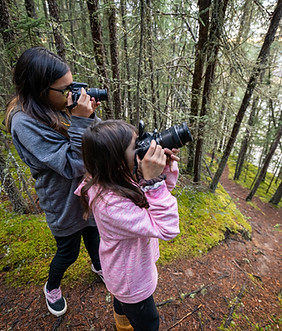
Fosters Connections with Others
Sharing photos and discussing them with others can foster connections and encourage communication, helping individuals build supportive relationships and reduce feelings of isolation.

Provides a Sense of Control
Taking and editing photos provides individuals with a sense of control over their creative output, which can be empowering and boost self-esteem.

Helps Individuals Process Emotions
Help individuals process emotions.

Promotes Mindfulness and Focus
By encouraging individuals to take time to observe and capture the world around them, therapeutic photography can promote mindfulness and focus, helping individuals stay present in the moment.

"We are all in the gutter, but some of us are looking at the stars."
— Oscar Wilde
Therapeutic Photography vs. Phototherapy
Therapeutic Photography
-
Definition: A self-initiated or group-based practice used for self-exploration, resilience-building, and personal growth.
-
The Approach: It is a flexible, creative "intervention" that can be done solo or in community groups (like the Pinehouse Photography Club).
-
Role: It acts as a Visual Anchor to reduce stress and improve mindset. It does not require a licensed therapist to be present, making it highly accessible for rural and northern communities.
-
Focus: Building strength, finding "The Why," and externalizing positive narratives.
PhotoTherapy (Clinical)
-
Definition: A formal clinical intervention guided by a trained and licensed mental health professional (Psychologist, Psychiatrist, or specialized Counselor).
-
The Approach: It uses specific, structured techniques to delve into deep-seated trauma, often using personal or family photo albums as a catalyst for therapy.
-
Role: A targeted medical treatment for diagnosed mental health conditions.
-
Focus: Processing past trauma and resolving deep psychological conflicts within a strictly clinical framework.
Understanding the Distinction
While both practices use the power of images to heal, they serve distinct roles within the mental health ecosystem.
-
Therapeutic Photography is a self-initiated or group-led practice used for self-exploration, resilience-building, and personal growth. It is a highly accessible "Visual Anchor" that can be practiced solo or in community settings (like the Pinehouse Photography Club). It does not require a licensed therapist, making it a powerful tool for peer support and community-wide mental health advocacy.
-
Phototherapy (Photo Therapy) is a formal clinical intervention guided by a licensed mental health professional. It uses structured techniques for deep psychological healing, often utilizing personal or family photo albums to address specific clinical diagnoses or deep-seated trauma.
By bridging the gap between art and clinical science, we provide a lifeline for those who may not yet be ready for a clinical setting but need a way to navigate the 'static' of daily stress.

How to Use Therapeutic Photography
How to Use Therapeutic Photography: The Visual Anchor Method
Therapeutic photography is more than just "taking pictures"—it is a structured process of capturing, reflecting, and interpreting images to promote mental health and resilience.
Step 1: The Act of Mindful Observation
Start by selecting your tool—a professional camera or simply your smartphone. As you move through your environment, look for subjects or scenes that resonate with your current emotions. Instead of rushing, practice Mindful Observation. Focus on the light, the textures, and the details.
-
The Goal: To ground your nervous system by focusing on a specific Visual Anchor rather than the "static" of daily stress.
Step 2: Intentional Capture
Focus on capturing moments that evoke a specific feeling or tell a story. Don't worry about "perfection." The intent is to translate an internal feeling into an external image. This process helps externalize the narrative, allowing you to hold an emotion at arm's length where it can be safely examined.
Step 3: Reflection and Interpretation
Later, set aside time to review your photos in a quiet space. Ask yourself:
-
What was I feeling the moment I pressed the shutter?
-
What does this image reveal about my current thoughts?
-
How does this "Anchor" provide a sense of peace or perspective?
Step 4: Integration
By reflecting on your work, you begin to rewrite your internal story. This cycle of capturing and interpreting fosters profound self-awareness and promotes neural pathway development for long-term healing.

Benefits of Therapeutic Photography
01
Enhanced Well-being:
Daily photography has shown to improve well-being by fostering self-care, community interaction, and opportunities for mindful engagement.
03
Mental Health Recovery:
Narrative reconstruction through photography aids in mental health recovery, bridging gaps between professionals and those seeking care while positively impacting individual and community well-being.
05
Focus on Positivity:
Through capturing positive life experiences, therapeutic photography helps alleviate preoccupation with illness, bringing attention to moments of joy and accomplishment.
07
Stress Reduction:
Immersion in photography serves as a temporary escape from stressors, allowing individuals to momentarily distance themselves from intense emotions associated with illness.
02
Empowerment and Expression:
Photography, particularly through mediums like selfies, holds inherent potential for empowerment and adaptable expression across diverse social contexts and platforms.
04
Symbolic Emotional Expression:
Photography enables symbolic expression of emotions, providing a means to articulate feelings artistically and explore personal narratives.
06
Boost to Self-worth:
Engagement in photography activities offers opportunities for continuity, challenge, and achievement, contributing to enhanced self-worth and identity.
08
Long-term Health Benefits:
Engaging in therapeutic photography has shown to influence various physiological and psychological variables, contributing to improved mood, stress hormone levels, and overall health outcomes.
Pinehouse Photography Club:
A Case Study in Action

The Pinehouse Photography Club: A Case Study in Community Resilience
In 2016, while serving as a nurse in the remote village of Pinehouse Lake, Saskatchewan, Dre Erwin recognized a critical gap in mental health support for local youth. By merging his clinical background with the therapeutic power of the Northern Lights, he established the Pinehouse Photography Club (PPC).
What began as a photography group evolved into a nationally recognized community health intervention. The club provides youth with a "Visual Anchor" to navigate trauma, lateral violence, and isolation, moving them from a state of survival into a state of creative leadership.
The Impact:
-
Life-Saving Intervention: Youth in the program have credited the club as a "lifeline," providing a safe, non-verbal outlet to process depression and suicidal ideation.
-
National Recognition: Featured in the CBC documentary "A New Lens on Life," the PPC model demonstrates how a camera can bridge the gap between traditional clinical care and cultural connection.
-
Evidence of Success: Through partnerships with organizations like Kids Help Phone, the club has empowered youth to see themselves as contributors to a larger narrative of healing.
"Expressing oneself without even
Saying a word"
For many navigating trauma or burnout, traditional "talk therapy" can feel overwhelming. Words often fail to capture the complexity of internal "static." Therapeutic photography offers a safe, non-verbal bridge. By focusing on the lens, participants can externalize feelings that are too difficult to speak aloud, giving shape to their experiences through light, shadow, and perspective.

The silent language of therapeutic photography, from capturing images to embracing positive feedback on social platforms, has unveiled its transformative potential and accessibility. Dre's firsthand encounter vividly illustrates its impact, particularly in aiding youth mental health and addressing addiction challenges, showcasing its adaptability across diverse settings like homes, communities, schools, and towns. With just a cellphone or camera, anyone can harness its benefits.
Witnessing youths' verbal and nonverbal responses, Dre noted the profound influence of therapeutic photography on their emotions. Laughter, smiles, and heartfelt moments during impromptu campfire therapy sessions underscored its efficacy.
Moreover, endorsements from esteemed sources like CBC, Global News, the Saskatchewan Union of Nurses (SUN), and other reputable outlets further validate its worth.


Capturing Resilience: Pinehouse Photography Club
Exploring Life's Brighter Moments - A Journey Through Therapeutic Photography in British Columbia

"Photography saved my life"
Keirra Tinker, Sask

"I love taking pictures because it helps me express myself when words aren't enough. It's like a visual diary that helps me see things in a different way and feel better about myself."
Louis Iron, Sask

"Photography helps me express myself without using words."
Tyson Ratt, Sask
Lessons Learned and Impact
Through the evolution of the Pinehouse Photography Club, several foundational truths have emerged that define our approach to community wellness.
1. Democratizing Mental Wellness
Therapeutic photography has proven to be a potent tool for youth grappling with emotional turmoil. By offering a safe avenue for creative expression, it bypasses the struggle to vocalize mental health challenges. The accessibility of smartphones has democratized this therapy—empowering youth to carry their "Visual Anchor" in their pocket and explore healing on their own terms, at any time.


2. The Necessity of Sustainable Advocacy
The success of the Pinehouse Photography Club is a testament to the power of community champions. however, a crucial clinical lesson emerged: avoiding burnout is vital. For initiatives to be sustainable, they cannot rest on the shoulders of one individual. Seeking active support from parents, educators, and community elders is essential to move from a "project" to a "permanent community fixture."
3. Reciprocal Healing and Altruism
This journey was a catalyst for personal growth. Witnessing the transformation of youth from personal struggle to creative leadership validated the practice's impact, but it also unveiled a fundamental truth from my nursing background: aiding others is inherently therapeutic. This "Helper’s High" creates a reciprocal healing force—enriching the giver just as much as the recipient.


From the Frontlines: A Nurse's Reflection.
When you look through a camera lens, you block out the rest of the world, including misery, agony, and grief. It's just you and what you're seeing right now. Practice focusing on taking the perfect shot, and you'll find that even without the camera in front of your face, you'll be seeing the good in life a lot more clearly."
- Dre Erwin


Evidence of Impact: Real-World Results
The following results demonstrate how therapeutic photography has moved from a creative exercise to a life-saving intervention in northern Saskatchewan:

Youth in Pinehouse have credited the photography club with providing a "lifeline," helping them navigate trauma, depression, and even preventing suicide by shifting focus toward beauty and purpose.

Our methods were featured in the award-winning CBC documentary "A New Lens on Life," showcasing how a camera can serve as a safe, non-verbal outlet for mental health challenges.

The success of the Pinehouse youth led to Kids Help Phone purchasing 12 photographs from our members to use in their national Finding Hope action plan for Indigenous youth suicide prevention.
Over 300 kids a month engage with our program, reporting increased self-worth and a stronger connection to their community and Elders through visual storytelling.
.jpg)
Led by Dre Erwin RN(AAP), the club merges primary care nursing expertise with creative expression to provide trauma-informed support for healthy development. By combining clinical education with therapeutic art, we offer a unique pathway for resilience that bridges the gap between traditional medicine and community-based wellness.

We worked directly with Social Work to identify and prioritize youth at high risk, ensuring the program reaches those in the greatest need of clinical intervention.
Collaborations and Future Initiatives
Building on the success of the Pinehouse Photography Club, I have strategically transitioned the program’s resources to the local elementary school to ensure a lasting legacy. By empowering local educators and champions to take the lead, we have created a sustainable model of community-led wellness that will continue to support youth for years to come.
Expanding the Reach
I am now moving into a strategic advocacy and administrative role, focused on expanding these nurse-led initiatives into other Métis, Cree, and remote communities—including Sandy Bay, Saskatchewan. My focus is on systemic integration: working with community leaders to identify local champions and providing them with the framework to launch their own "Visual Anchor" programs.
Strategic Partnerships
To build a national network of support, I am actively engaging with:
-
First Nations Organizations: (Including the FSIN and local health authorities) to align our goals with community needs.
-
Corporate & Tourism Partners: To secure high-quality camera equipment for remote communities.
-
Media & Policy Makers: Using the awareness built by our CBC documentary to advocate for creative mental health interventions across Canada and beyond.
Frequently Asked Questions

What is the difference between Therapeutic Photography and Phototherapy?
While both use images for healing, Therapeutic Photography is a self-directed or group practice used for self-exploration and building resilience (like the work we do in Pinehouse). Phototherapy is a formal clinical intervention guided by a trained mental health professional, often using personal or family albums to delve into deep trauma.

How does photography help with mental health and "Static"?
Photography acts as a Visual Anchor. In high-pressure environments or communities facing hardship, the mind can become overwhelmed by "static"—racing thoughts, anxiety, and lateral violence. Using a camera forces the brain to focus on the present moment, interrupting the stress response and retraining the Reticular Activating System (RAS) to find beauty and purpose.

Do I need a professional camera to practice this?
Not at all. In fact, a smartphone is often the best tool because it is always with you. The "therapeutic" part is about the process of seeing, not the quality of the gear. We teach youth and adults alike that the most important part of the camera is the person standing behind it.

How does the Pinehouse Photography Club model work?
Our model follows the Socio-Ecological Model of health. We don’t just work with the individual; we build a community of support. By sharing photos and stories, youth connect with peers and Elders, creating a ripple effect of healing that strengthens the entire community.

Is therapeutic photography evidence-based?
Yes. Our methods are grounded in the research of experts like Neil Gibson and the principles found in The Body Keeps the Score by Bessel van der Kolk. We focus on "externalizing" emotions—putting a feeling into a photo so it can be managed and understood from a safe distance.
About
Dre Erwin
Dre Erwin, RNAAP, is a primary care nurse in northern Saskatchewan and the founder of the Pinehouse Photography Club. His pioneering work in therapeutic photography has been featured in the CBC documentary "A New Lens on Life" and integrated into the national Finding Hope suicide prevention strategy by Kids Help Phone. By collaborating with social work professionals and healthcare unions, Dre has provided a multi-disciplinary, real-time implementation of creative healing for high-risk youth.


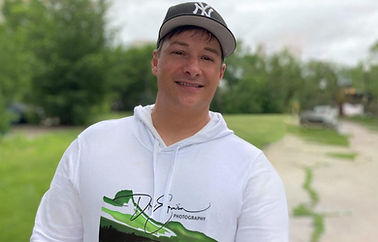

The Science of the Lens
"While the art of photography is the vehicle, the results are measured by clinical outcomes. My work is not just a creative endeavor; it is an evidence-based intervention rooted in years of primary care nursing and community-led research."
View the Science & Resilience Overview

Where to Go from Here:
Taking Your Therapeutic Photography Journey Further

Where to Go from Here: Taking the Journey Further
Your journey with therapeutic photography is just beginning. Beyond understanding the science, we invite you to experience the practice firsthand. Whether you are seeking personal resilience or looking to lead change in your own community, there is a path forward for you.
Connect with the Community
Join our Facebook community, Inspiritography, to connect with a like-minded network of photographers and wellness advocates.
Stay Inspired
Subscribe to our newsletter for clinical insights, creative prompts, and stories of resilience delivered directly to your inbox.
Become a Community Champion
Ready to go deeper? We are looking for leaders to help expand the "Lifeline" across Canada.
-
Explore Local Workshops: Join a guided session to master the Visual Anchor method.
-
Start a Club: Use our framework to launch a photography club in your own town or school.
-
Lead the Way: Seek out specialized training to become a certified community champion for mental health.
Beyond Pictures: Therapeutic Photography Insights (Blog)


Founder of Therapeutic Photography
Judy Weiser, a seasoned Psychologist, Art Therapist, and global authority on PhotoTherapy, has spent over 25 years using her innovative techniques to assist marginalized clients. As the Founder of the PhotoTherapy Centre in Vancouver, Canada, she's renowned for decoding the emotional depth of personal photographs. Judy's expertise spans consulting, lecturing, and training worldwide, impacting mental health professionals in over 50 cities. She's a registered practitioner in Psychology and Art Therapy, sharing her knowledge through workshops and academic courses, advocating for the use of Therapeutic Photography and Film-Making to enhance individual and community well-being. Annually conducting the intensive Judy Weiser’s PhotoTherapy Techniques Certificate Program, she's pioneering online courses and intends to preserve her substantial archive for future generations' access.
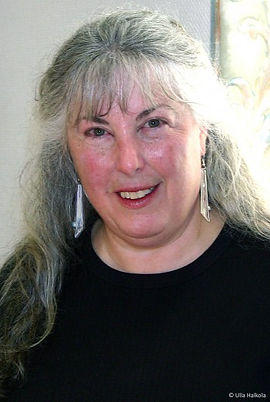

Judy Weiser - PhotoTherapy. The Healing Power of Photographs
Love this conversation ❤ Judy is a legend :)
Have more questions? Read our full FAQ here.
Therapeutic Photography Clubs Across Canada
To have your own club added to the map, please email us at @dreerwinphotography@gmail.com