

Northern Lights in Canada: Why Saskatchewan Deserves More Attention

Updated: Sep 7, 2025

For many people, the words “Northern Lights in Canada” bring to mind famous destinations like Yellowknife in the Northwest Territories or Churchill, Manitoba. These are incredible locations, but there’s a hidden secret that rarely makes the headlines: Saskatchewan.
I’m Dre Erwin, a photographer based in Saskatchewan who has spent countless nights under the aurora borealis. Through my lens, I’ve discovered that some of the most breathtaking displays of the northern lights don’t require an Arctic expedition — they can be found right here, in the prairies and northern forests of my home province.
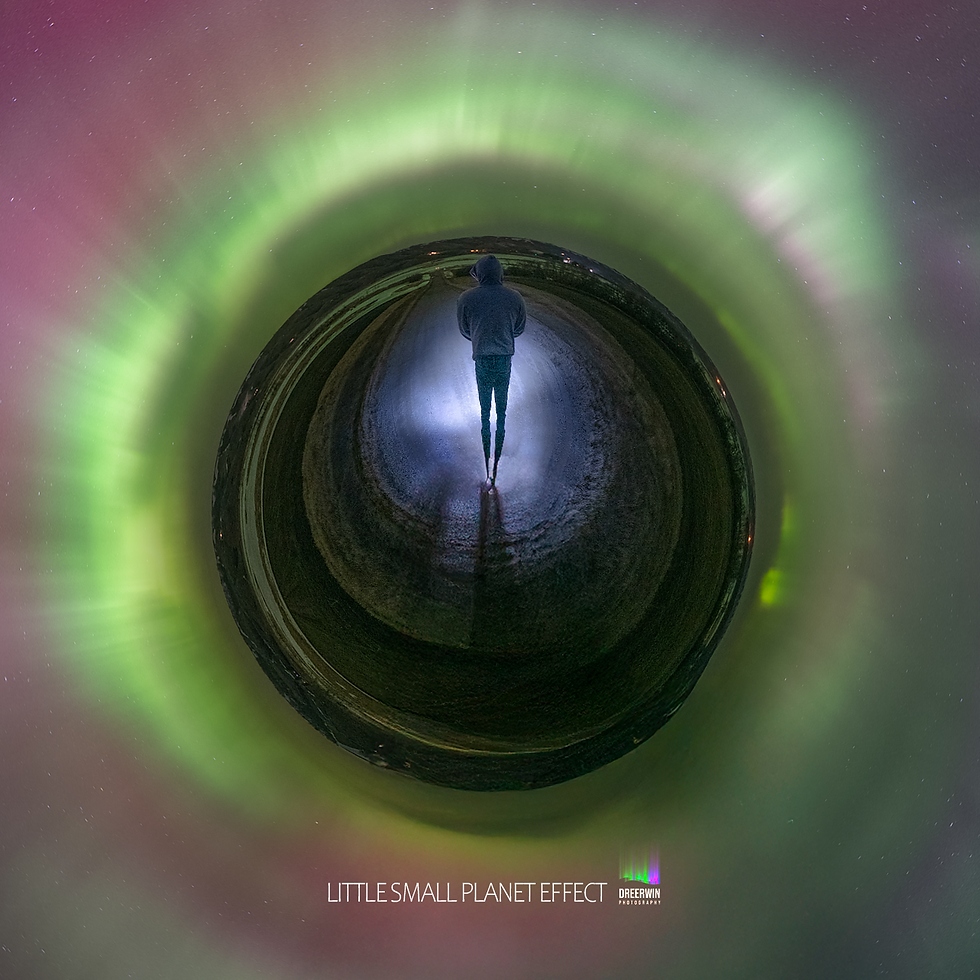
Why Saskatchewan is Underrated for Northern Lights
When people plan aurora trips, Saskatchewan is often overlooked. Yet this province offers:
Dark skies with minimal light pollution – Northern Saskatchewan, especially remote communities like Sandy Bay and Pinehouse Lake, provides near-perfect viewing conditions.
Accessibility – Unlike some destinations that require expensive tours or flights, Saskatchewan offers multiple drive-to locations where the aurora dances overhead.
Unique landscapes – From prairie horizons to boreal forests, lakes, and even small towns lit softly by the glow of the aurora, Saskatchewan provides diverse backdrops that make every aurora sighting unique.

The Best Time to See the Northern Lights in Canada
The aurora borealis is visible year-round, but the best time for viewing is fall to early spring (September–April), when nights are longer and skies are clearer.
In Saskatchewan, cold winter nights often reward you with shimmering greens, purples, and reds across the horizon. The magic is enhanced by the stillness — the crunch of snow under your boots, your breath in the frosty air, and the sky alive with color.

My Journey with Aurora Photography
Photography has been more than just a passion for me; it’s been a way of healing and giving back.
I began sharing my northern lights photos not only to showcase beauty, but also to inspire. Over time, I realized photography could be a tool for youth mental health. As the founder of the Pinehouse Photography Club, I watched young people use a camera to express what words couldn’t. For many, the northern lights became a symbol of hope — proof that beauty exists even in dark times.
Every time I post a photo or video of the aurora, my goal is the same: to remind people they are not alone, and that moments of wonder are always within reach.

Tips for Photographing the Northern Lights
If you’re planning to capture the aurora, here are a few quick tips:
Use a tripod – Long exposures require stability.
Set your camera manually – A wide aperture (f/2.8 or lower), high ISO (800–3200), and an exposure of 5–20 seconds often works well.
Scout locations in advance – Look for areas with water or trees to create reflections and depth in your composition.
Stay patient – The aurora can shift from faint streaks to explosive waves in seconds.
And remember — even a smartphone can capture the magic these days if you play with the night mode settings.

Why the Northern Lights Matter
The aurora borealis isn’t just a natural phenomenon — it’s an experience that stays with you forever. For me, standing under the northern lights has always been about more than photography. It’s about pausing, breathing, and remembering that beauty still exists, even in the darkest times.
Saskatchewan may not be on every travel guide, but those who come here for the aurora often leave with a piece of it etched into their hearts.

Final Thoughts
Canada is filled with northern lights destinations, but if you want something authentic, raw, and breathtaking — look north to Saskatchewan.
As I continue to document these skies through Dre Erwin Photography, my mission remains simple: to share inspiration, raise awareness for mental health, and encourage people to see the good in life.

If you’d like to follow more of my aurora photography, follow me on Facebook or connect with me on social media at Dre Erwin Photography. The sky is alive — and it’s waiting for you to look up.


$50
Product Title
Product Details goes here with the simple product description and more information can be seen by clicking the see more button. Product Details goes here with the simple product description and more information can be seen by clicking the see more button

$50
Product Title
Product Details goes here with the simple product description and more information can be seen by clicking the see more button. Product Details goes here with the simple product description and more information can be seen by clicking the see more button.
$50
Product Title
Product Details goes here with the simple product description and more information can be seen by clicking the see more button. Product Details goes here with the simple product description and more information can be seen by clicking the see more button.


Love