
Dre Erwin Photography™




Therapeutic Photography

Table of Contents:
1
2
3
4
5

6
7
8
Therapeutic photography offers a way to slow down, notice your surroundings and express what matters to you. Explore the story of the Pinehouse Photography Club, learn a simple photo-and-reflection process, and find activities to try on your own or with a community group.
What is Therapeutic Photography
What is Therapeutic Photography?
Therapeutic photography uses taking, choosing and reflecting on photographs for personal expression and connection. It can be practised independently or with a group. In my own photography and nursing experience, I think of a meaningful image as a Visual Anchor—a reminder to pause, notice the moment and reflect on something that matters.
You can explore these activities with a phone, a camera or photographs you already have. Technical skill is optional: the image’s meaning to you matters more than a perfect result. This page focuses on creative reflection and community participation. PhotoTherapy, described below, takes place within a professional therapeutic relationship.
A Community Perspective
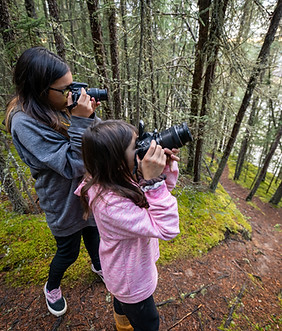
The benefits of this practice extend far beyond the individual. Following the Socio-Ecological Model, photography activities can include peers, families, Elders and local educators. Participants choose the stories they want to tell, and local communities guide cultural context and how images are shared.
Fosters Connections with Others
Sharing photos and discussing them with others can foster connections and encourage communication, helping individuals build supportive relationships and reduce feelings of isolation.

Provides a Sense of Control
Taking and editing photos provides individuals with a sense of control over their creative output, which can be empowering and boost self-esteem.

Helps Individuals Process Emotions
Help individuals process emotions.

Promotes Mindfulness and Focus
By encouraging individuals to take time to observe and capture the world around them, therapeutic photography can promote mindfulness and focus, helping individuals stay present in the moment.

"We are all in the gutter, but some of us are looking at the stars."
— Oscar Wilde
Therapeutic Photography vs. Phototherapy
Therapeutic Photography
-
Definition: A self-initiated or group-based practice used for self-exploration, resilience-building, and personal growth.
-
The Approach: It is a flexible creative activity that can be done independently or with a community group.
-
Role: It offers space to notice, create and reflect. Participation does not require a therapist or professional camera.
-
Focus: Exploring what matters to you through images, captions and optional conversation.
PhotoTherapy (Clinical)
-
Definition: The use of photographs within therapy, guided by a suitably trained mental health professional.
-
The Approach: The professional may use personal, family or newly created photographs as part of an agreed therapeutic process.
-
Role: An approach used within a professional therapeutic relationship.
-
Focus: Exploring personal meaning and experiences with appropriate therapeutic support.
Understanding the Distinction
The setting and the facilitator’s role help explain the difference.
In a community photo activity, participants decide what to photograph, what an image means to them and whether to share. A facilitator supports the activity without diagnosing or interpreting someone’s photograph.
In PhotoTherapy, a trained professional uses photographs within therapy and takes responsibility for that therapeutic process.
The resources on this website are creative activities for individuals, educators and community groups. They do not provide a therapy qualification.

How to Use Therapeutic Photography
How to Use Therapeutic Photography: The Visual Anchor Method
Try this simple process: notice something, make a photograph, reflect on it and decide what to do with it. A phone, a camera or a drawing can be your starting point.
Step 1: The Act of Mindful Observation
Start by selecting your tool—a professional camera or simply your smartphone. As you move through your environment, look for subjects or scenes that resonate with your current emotions. Instead of rushing, practice Mindful Observation. Focus on the light, the textures, and the details.
The Goal: Spend a few unhurried minutes noticing one subject, such as light on a leaf, a familiar object or a place you enjoy.
Step 2: Intentional Capture
Choose a subject you are comfortable photographing. Try a wide view and a closer detail, then choose a frame you like. You can photograph ordinary objects or places; you do not need to share a personal experience or make a technically perfect image.
Step 3: Reflection and Interpretation
Later, set aside time to review your photos in a quiet space. Ask yourself:
-
What was I feeling the moment I pressed the shutter?
-
What caught my attention, and what title would I give this image?
-
What would I like to remember when I look at it again?
Step 4: Keep or Share
Keep the image, add a caption or share it with someone you trust. Sharing is always optional. In a group, ask each creator what their image means to them, and get permission before displaying or posting identifiable photographs.

Benefits of Therapeutic Photography
01
Enhanced Well-being:
Daily photography has shown to improve well-being by fostering self-care, community interaction, and opportunities for mindful engagement.
03
Mental Health Recovery:
Narrative reconstruction through photography aids in mental health recovery, bridging gaps between professionals and those seeking care while positively impacting individual and community well-being.
05
Focus on Positivity:
Through capturing positive life experiences, therapeutic photography helps alleviate preoccupation with illness, bringing attention to moments of joy and accomplishment.
07
Stress Reduction:
Immersion in photography serves as a temporary escape from stressors, allowing individuals to momentarily distance themselves from intense emotions associated with illness.
02
Empowerment and Expression:
Photography, particularly through mediums like selfies, holds inherent potential for empowerment and adaptable expression across diverse social contexts and platforms.
04
Symbolic Emotional Expression:
Photography enables symbolic expression of emotions, providing a means to articulate feelings artistically and explore personal narratives.
06
Boost to Self-worth:
Engagement in photography activities offers opportunities for continuity, challenge, and achievement, contributing to enhanced self-worth and identity.
08
A Practice to Return To:
A regular photo practice gives you a reason to revisit favourite places, try a new skill and keep a record of everyday experiences. Choose a pace and activity that works for you.
Pinehouse Photography Club:
A Case Study in Action

The Pinehouse Photography Club: A Case Study in Community Resilience
While working as a nurse in Pinehouse Lake, Saskatchewan, I brought my nursing experience and love of photography together to establish the Pinehouse Photography Club (PPC).
I no longer lead the club or manage its day-to-day activities. The photographs and stories here reflect my time as its founder and the work of participating youth, families and community supporters.
The Impact:
-
Youth Voices: Members described the club as a lifeline and a place to express themselves, form friendships and share photographs they were proud of.
-
National Recognition: Featured in the CBC documentary "A New Lens on Life," the club’s story shows young people exploring photography, cultural connection and life in their community.
-
Sharing Their Perspective: Kids Help Phone used photographs by club members in Finding Hope, bringing northern youth perspectives to a wider audience.
"Expressing oneself without even
Saying a word"
A photograph can offer another starting point when words are difficult to find. You might capture a place, an object or a small detail that matters to you. A caption or conversation can follow if you choose; keeping the image private is equally valid.

During my time in Pinehouse, photography created reasons to spend time together, explore the land and learn from one another. A photo outing could begin with a simple camera skill and grow into a conversation, a shared laugh or an image someone was proud to show. A phone or a basic camera was enough to get started.
The moments I remember include reviewing photographs, gathering around a campfire and seeing youth help each other with their cameras. These are personal observations from a community photography project.Coverage by CBC, Global News and the Saskatchewan Union of Nurses helped share the club’s story. Media coverage and members’ own words offer different ways to learn about that experience.


Capturing Resilience: Pinehouse Photography Club
Exploring Life's Brighter Moments - A Journey Through Therapeutic Photography in British Columbia

"Photography saved my life"
Keirra Tinker, Sask

"I love taking pictures because it helps me express myself when words aren't enough. It's like a visual diary that helps me see things in a different way and feel better about myself."
Louis Iron, Sask

"Photography helps me express myself without using words."
Tyson Ratt, Sask
Lessons Learned and Impact
Through the evolution of the Pinehouse Photography Club, several foundational truths have emerged that define our approach to community wellness.
1. Democratizing Mental Wellness
A phone or camera can make creative activities easier to try at home, at school or with a local group. During my involvement in Pinehouse, simple photo prompts gave youth a starting point for making images and sharing what interested them. Participants could choose their subject, title and whether to share.


2. The Necessity of Sustainable Advocacy
My experience with the club taught me the importance of sharing the work. Regular activities need local organizers, trusted adults, practical supplies and time. Parents, educators and Elders can help shape a project that fits the community. I no longer lead the Pinehouse Photography Club; new groups should build their own local support.
3. Reciprocal Healing and Altruism
I learned alongside the youth. Their photographs, curiosity and willingness to help one another changed the way I saw familiar places. Contributing to a shared activity gave me a sense of purpose as well. Those personal lessons continue to shape the resources and stories I share today.


From the Frontlines: A Nurse's Reflection.
When you look through a camera lens, you block out the rest of the world, including misery, agony, and grief. It's just you and what you're seeing right now. Practice focusing on taking the perfect shot, and you'll find that even without the camera in front of your face, you'll be seeing the good in life a lot more clearly."
- Dre Erwin


Evidence of Impact: Real-World Results
The photographs, personal accounts and media stories below document creative expression and community connection in northern Saskatchewan. They reflect the club’s history and my involvement as its founder.

Some Pinehouse club members described photography as a lifeline and a way to express what was difficult to put into words. Their accounts are an important part of the club’s story.

CBC’s A New Lens on Life followed Pinehouse youth and the photography club, sharing their photographs, relationships and experiences with a national audience.

Kids Help Phone purchased 12 photographs by Pinehouse Photography Club members for Finding Hope, its action plan supporting Indigenous youth. These images brought youth perspectives from Pinehouse to a wider audience.
During my time with the club, youth joined photo outings, portrait sessions and community events. Learning a camera skill, choosing a favourite image and sharing it on their own terms gave members opportunities to build confidence and connect with peers, families and Elders.

As the club’s founder, I brought my experience as a primary care RN(AAP) to a community photography setting. I no longer lead the club. This history reflects a creative community project, rather than a clinical treatment program or a service I currently provide through the club.

During my time with the club, we worked with social work professionals to connect youth with photography. Trusted adults and local relationships helped make these activities possible.
Collaborations and Future Initiatives
I founded the Pinehouse Photography Club, but I no longer lead it or manage its operations. This page shares experiences from my time with the club. For information about its current activities, please contact the club or local organizers directly.
Expanding the Reach
My current focus is sharing photography, stories and practical activity resources with educators, families and community groups. I welcome conversations about how local hosts might adapt these ideas, with community members guiding cultural suitability, language, permissions and participation.
Strategic Partnerships
Useful connections for community projects include:
-
Local Educators and Community Leaders: To choose activities that fit their learners, culture and community.
-
Equipment Supporters: To help local groups access cameras and other practical supplies.
-
Storytelling and Media: To share youth perspectives with permission and encourage creative opportunities in northern communities.
Frequently Asked Questions

What is the difference between Therapeutic Photography and Phototherapy?
Therapeutic photography is a personal or group photography activity for expression and reflection. PhotoTherapy uses photographs within therapy led by a suitably trained mental health professional. The Pinehouse examples here describe my past involvement as the club’s founder.

How does photography help with mental health and "Static"?
I use “Visual Anchor” to describe a photograph that reminds me to pause and notice something meaningful. Taking or choosing an image gives the activity a focus. What that image means is for its creator to decide.

Do I need a professional camera to practice this?
Not at all. In fact, a smartphone is often the best tool because it is always with you. The "therapeutic" part is about the process of seeing, not the quality of the gear. We teach youth and adults alike that the most important part of the camera is the person standing behind it.

How does the Pinehouse Photography Club model work?
During my involvement, the club combined photography skills, outings and opportunities to share images. Youth connected with peers, families and Elders through these activities. I founded the club and no longer lead its operations.

Is therapeutic photography evidence-based?
This page shares my community experience, participants’ personal accounts and links for further reading. Those stories matter, while questions about treatment effectiveness need research on the specific activity and outcome. Explore the Science & Resilience overview and the PhotoTherapy Centre for more context.
About
Dre Erwin
I’m Dre Erwin, a primary care RN(AAP), photographer and author in Saskatchewan. I founded the Pinehouse Photography Club and no longer lead it or manage its operations. My work with the club was featured in CBC’s A New Lens on Life. Today, I share northern photographs, stories and practical resources for creative reflection in schools, families and community groups.


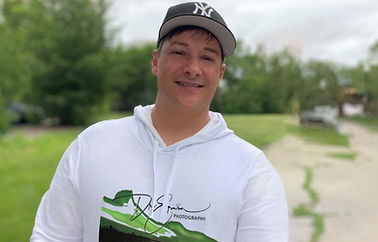

The Science of the Lens
My nursing experience shapes the questions I ask about photography, reflection and community connection. I continue to learn from participants, educators and published research. Personal stories and research each add a different perspective to this work.
View the Science & Resilience Overview

Where to Go from Here:
Taking Your Therapeutic Photography Journey Further

Where to Go from Here: Taking the Journey Further
Start with a short activity that fits your interests and setting. You can try it independently or invite an educator, family member or local facilitator to join you. No specialist camera is needed, and participants choose whether to share.
Connect with the Community
Join our Facebook community, Inspiritography, to connect with a like-minded network of photographers and wellness advocates.
Stay Inspired
Subscribe to the newsletter for creative prompts, northern photographs and stories from my work.
Try an Existing Resource
These resources offer practical next steps for individuals, schools and community groups.
-
Free Photo Activities: Five simple prompts with photography skills, optional reflection and accessible alternatives.
-
Start a Club: Explore the original club framework and ideas that a local host can adapt.
-
Teachers & Students: Find school and community activity ideas, book information and session enquiries.
Beyond Pictures: Therapeutic Photography Insights (Blog)


Learn from Judy Weiser
Judy Weiser, a seasoned Psychologist, Art Therapist, and global authority on PhotoTherapy, has spent over 25 years using her innovative techniques to assist marginalized clients. As the Founder of the PhotoTherapy Centre in Vancouver, Canada, she's renowned for decoding the emotional depth of personal photographs. Judy's expertise spans consulting, lecturing, and training worldwide, impacting mental health professionals in over 50 cities. She's a registered practitioner in Psychology and Art Therapy, sharing her knowledge through workshops and academic courses, advocating for the use of Therapeutic Photography and Film-Making to enhance individual and community well-being. Annually conducting the intensive Judy Weiser’s PhotoTherapy Techniques Certificate Program, she's pioneering online courses and intends to preserve her substantial archive for future generations' access.
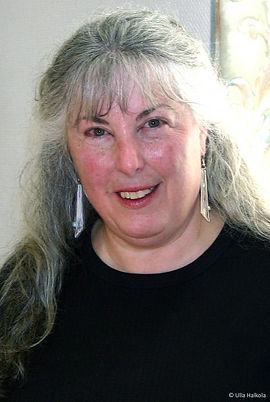

Judy Weiser - PhotoTherapy. The Healing Power of Photographs
Love this conversation ❤ Judy is a legend :)
Have more questions? Read our full FAQ here.
Therapeutic Photography Clubs Across Canada
To have your own club added to the map, please email us at @dreerwinphotography@gmail.com