

Where to See the Northern Lights in Saskatchewan

Updated: Oct 22
Updated October 22, 2026. Location guidance, official resources and photo descriptions reviewed; the original article was published April 24, 2023.
Saskatchewan has room to get away from city lights, with prairie horizons in the south and lakes and forest farther north. The best place to see the northern lights depends on where the sky is clear, how active the aurora is, and where you can stop safely. No destination can promise a display.
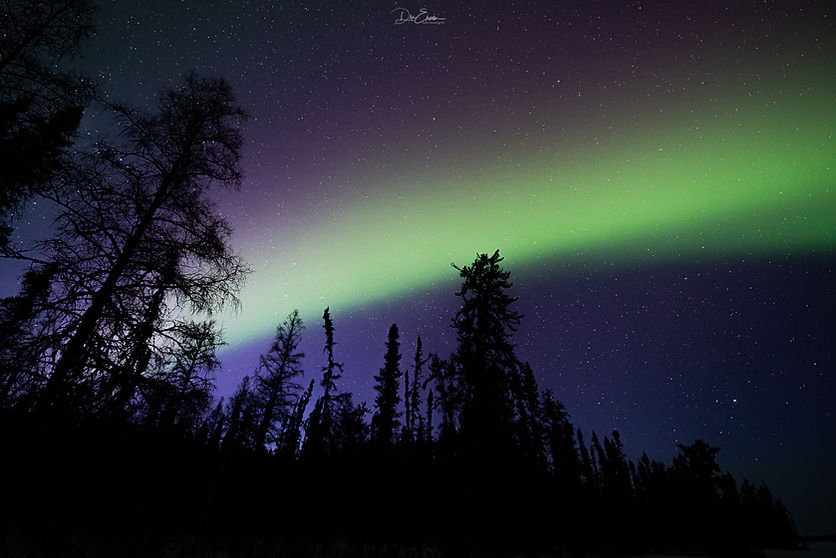
This guide brings together places to consider, what to check before leaving, and photographs from my Saskatchewan aurora collection. Start with a location you can reach comfortably, then let the weather and current conditions guide the evening.

What makes a good northern-lights viewing spot?
Look for a dark location with an open view of the sky and legal, safe access. A lake shoreline or prairie horizon can give a clear view, but a photograph is not proof that a particular shoreline, field or road is open to visitors. Check access before travelling and stay off private land unless you have permission.
Northern locations generally improve your chances, while strong activity can bring the aurora much farther south. Bright city lighting can hide a faint display. Look around the whole sky rather than watching only the northern horizon.

When can you see the northern lights in Saskatchewan?
Aurora can be seen in Saskatchewan throughout the year when it is dark enough and conditions line up. Longer autumn and winter nights offer more darkness; summer outings need to account for late twilight, especially farther north. Cold temperatures do not cause the aurora.
There is no dependable start time. The Canadian Space Agency notes that displays often become more intense around midnight, but they can appear earlier or later. Clouds can hide even an active aurora, and bright moonlight can make faint detail harder to see. Plan for patience rather than a fixed appointment with the sky.

Check the forecast before you drive
Use Space Weather Canada for current geomagnetic conditions and forecasts, then compare that with the local weather forecast. Check the time shown on each forecast. An aurora alert is a reason to look outside, not a guarantee that a particular town will have a visible display.
Before leaving, check cloud cover, road conditions, park notices and seasonal access. Choose a backup plan close to your destination rather than chasing every alert over a long distance.

Where to see the northern lights in Saskatchewan
Prince Albert National Park and Waskesiu
Parks Canada recommends South Bay and Paignton Beach along Narrows Road for open night-sky views. They are useful places to investigate around Waskesiu when access and conditions allow. Confirm current road and visitor notices before going. Prince Albert National Park offers stargazing opportunities, but it should not be labelled an officially designated Dark-Sky Preserve in this guide.

La Ronge and Lac La Ronge Provincial Park
La Ronge is a base for exploring the surrounding lake country. Look for an accessible shoreline with a clear view and limited nearby lighting. Check with the park or your accommodation about access, operating seasons and current conditions rather than assuming every campground or launch is available after dark.

Pinehouse Lake
Pinehouse sits beside Pinehouse Lake in northern Saskatchewan. This recovered photograph from my CBC documentary photo collection shows a red-and-white tent beneath green northern lights reflected in the water. It is a reminder of the photographs that came out of our time there, not a marked public campsite or a promise of conditions on your visit.
Confirm local access and choose a safe viewing spot on shore. Respect the community and private property, and arrange any camping or overnight stay in advance.

Meadow Lake Provincial Park
Meadow Lake Provincial Park offers lakes and boreal-forest scenery to consider for a night-sky trip. The practical question is whether you can reach an open, safe viewing area during your visit. Check seasonal services and park notices first. The earlier version of this article incorrectly called Meadow Lake an official Dark-Sky Preserve; that claim has been removed.
Hudson Bay area
If you are staying around Hudson Bay, consider a nearby dark location with permission to park and a clear view of the sky. Treat this as a regional option, not a verified viewing platform or a guaranteed aurora destination. Scout your route in daylight and confirm local access.
Regina and Saskatoon
You do not always need a northern road trip. During stronger activity, the lights can be visible around Regina and Saskatoon. Moving away from direct streetlights can help, but use an established public place where stopping is permitted. Do not park in traffic lanes, block farm entrances or walk into an unfamiliar field in the dark.

Grasslands National Park and Cypress Hills
For an officially designated dark-sky destination, consider Grasslands National Park or Cypress Hills Interprovincial Park. Tourism Saskatchewan identifies these as the province’s two Dark Sky Preserves. Their dark skies are valuable for stargazing even if the aurora does not appear. A designation protects the night-sky experience; it does not guarantee northern lights.

Plan for a safe night outside
Bring warm layers, a charged phone, a light and enough fuel for the return trip. Let someone know where you are going. Check current park restrictions before camping or lighting a fire; the campfire and tent photographs in this article are images from my collection, not instructions to camp at those exact locations.
Stay on safe ground. Do not step onto lake ice simply to improve a photograph, and do not assume ice is safe because it looks frozen. When visibility, access or road conditions are uncertain, choose another night.

Bring a camera, but leave time to look
A tripod can help keep a camera steady during longer exposures. Keep bright lights away from other viewers and give yourself time to enjoy the sky without a screen. A camera may record colour and detail differently from your eyes, so a photograph should not be treated as a promise of what every display will look like.

Start with a clear sky, a safe place to stop and realistic expectations. Some nights give you a photograph. Others give you a quiet view of the stars.


Thank you